Friday, July 17, 2026 · 03:43 CEST · Berlin

Tag: Bundestag

  • Germany Toughens Liability Rules for E-Scooter Accidents

    Germany Toughens Liability Rules for E-Scooter Accidents

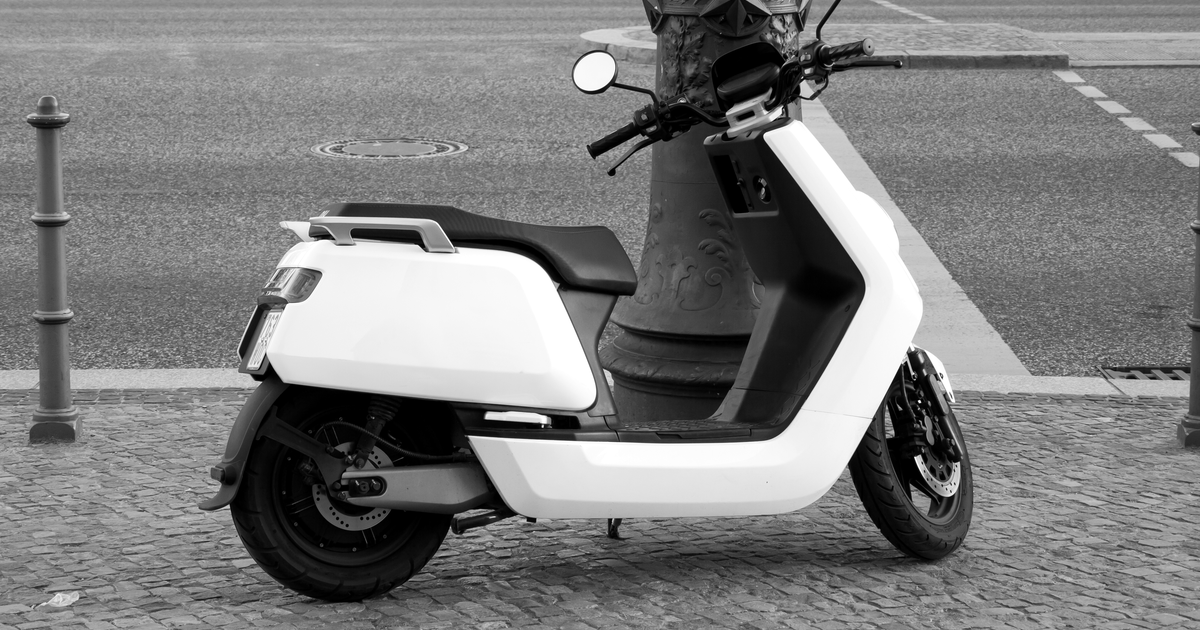
    Germany’s Bundestag has passed a law that makes it easier for people hurt in e-scooter accidents to get compensation, extending to e-scooters the same strict liability rules that already apply to cars and other motor vehicles.

    The change responds to a sharp rise in e-scooter accidents. Until now, victims often had to cover their own medical costs because e-scooters were exempted from the tougher liability rules that apply to other motor vehicles. “There is simply no reason to treat the rental of e-scooters differently under liability law than the rental of cars,” said Justice Minister Stefanie Hubig (SPD). “Anyone who makes money renting out e-scooters must also take responsibility for the damage their vehicles cause,” she said.

    The law introduces no-fault liability for e-scooter fleet operators, known as Halterhaftung (registered-keeper liability). This means the company that owns a rental fleet must cover accident costs whenever the person actually responsible for the accident cannot be identified or held liable.

    The rules also change how accidents with parked e-scooters are handled. People injured by a parked scooter no longer have to prove that the last rider left it incorrectly parked.

    Why this is happening

    E-scooters have been allowed on German public roads since summer 2019, and accidents involving them have risen sharply since then, according to the federal government. In 2024, there were around 12,500 accidents involving e-scooters, and in more than 7,900 of those cases the e-scooter rider was at fault, the Transport Ministry reported. The number of e-scooter accidents has doubled since 2021.

    What this means for you: If you rent e-scooters regularly, or if you’re a pedestrian or cyclist who could be hit by one, this change is meant to make it easier to get your costs covered after an accident, especially if the rider can’t be tracked down. It also removes the burden of proving a scooter was parked carelessly if you trip over one on the pavement.

     

  • Bundestag Passes Statutory Health Insurance Savings Bill – GKV

    Bundestag Passes Statutory Health Insurance Savings Bill – GKV

    Germany’s Bundestag voted on July 10, 2026 to approve a savings package for the statutory health insurance system (gesetzliche Krankenversicherung, or GKV) — a change that will mean higher medication co-payments and new limits on free family coverage for many insured members.

    Of 609 lawmakers who voted, 318 backed the bill from Health Minister Nina Warken (CDU), 284 voted against it, and four abstained. The package combines spending brakes on doctors’ practices, hospitals, pharmacies and the pharmaceutical industry with higher costs for insured members. The Health Ministry had projected a deficit of up to 19 billion euros for statutory insurers next year without the reform, and warned that contribution rates could otherwise rise by one percentage point in 2027.

    Under the final version, co-payments for medications rise from a range of 5 to 10 euros to a range of 7.50 to 15 euros, though a planned annual adjustment of that range was dropped. Free co-insurance for spouses will be restricted, but with wider exceptions than first proposed: it remains available for parents of children under 12, up from under 7 in the original draft. Starting in 2028, members whose partners no longer qualify for free co-insurance will pay a 2.5 percent contribution surcharge. Certain extra payments to doctors, such as for walk-in hours without an appointment, are being scrapped, and increases in hospital reimbursement will be capped.

    What this means for you: If you or a family member is in Germany’s statutory health insurance system, expect higher co-payments for prescription medicines, and check whether a spouse’s free co-insurance status is affected by the new age and income rules. The Bundesrat was due to debate the same bill on July 10; it cannot block the law but could delay it by sending it to a mediation committee.