
Friday, July 17, 2026 · 02:46 CEST · Berlin

Tag: Statistics

  • Students in Germany Spend Half Their Income on Housing

    Students in Germany Spend Half Their Income on Housing

    Students in Germany who no longer live with their parents spend an average of 54% of their disposable income on rent and housing costs, according to new data from the Federal Statistical Office (Destatis). That is more than double the 24% share the general population spends on housing.

    The burden is even higher for students living alone, who spend 56% of their income on housing, Destatis found. Students who share a home only with other students or trainees fare slightly better, spending 49%.

    Two-thirds are “overburdened”

    Eurostat defines a household as overburdened by housing costs if it spends more than 40% of its disposable income on housing, even after any housing benefit (Wohngeld) is deducted. By that measure, 65% of students who live independently count as overburdened, compared with just 11% of the general population. Looking at all students, including those still living with parents, 28% are overburdened.

    Money is tight to begin with: half of independently living students have a net equivalised income of less than €963 a month, the data show. On average, 45% of student income comes from paid work, 29% from private support such as payments from parents or relatives, 14% from BAföG grants and scholarships, and 12% from other sources such as Kindergeld (child benefit) or survivor’s pensions.

    What this means for you: If you are studying in Germany and living away from your parents, budget for housing to take up roughly half of your income, and expect it to be tighter if you live alone. If your rent and bills push past 40% of your disposable income, you are in the same position as most independent-living students Destatis surveyed. Check whether you qualify for Wohngeld or BAföG to ease the load.

    Sources: tagesschau.de / Destatis
  • Care Home Costs Rise Again to €3,364 a Month

    Care Home Costs Rise Again to €3,364 a Month

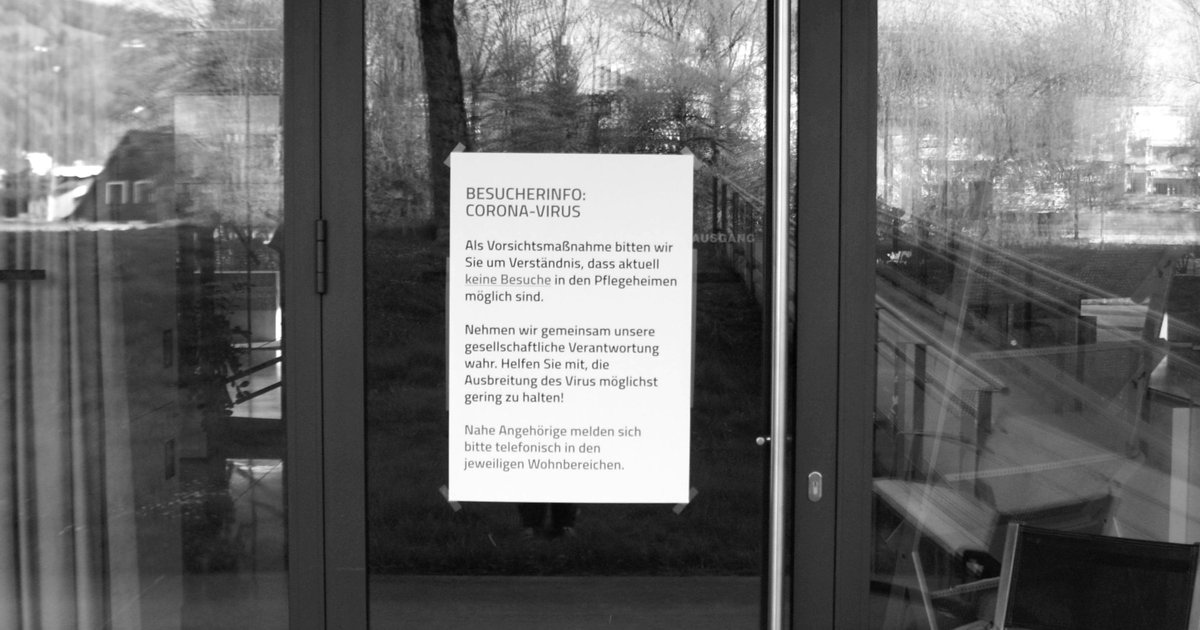
    Anyone with a relative in a German nursing home is paying more this year: the average out-of-pocket share, called the Eigenanteil, has risen to €3,364 a month nationwide for a resident’s first year in care.

    The figure comes from an evaluation by the VDEK, the association of Germany’s substitute health insurers (including Techniker Krankenkasse, Barmer and DAK-Gesundheit), based on data collected up to 1 July 2026. That’s €119 more per month than at the start of the year, and €256 more than on 1 July 2025.

    This Eigenanteil covers only care and nursing itself. Germany’s long-term care insurance, the Pflegeversicherung, pays part of the cost but not all of it, unlike statutory health insurance. On top of that, residents also pay separately for room and board, building investment costs, and a training levy.

    Costs vary sharply by state. Bremen is the most expensive, at €3,761 a month, followed by Saarland (€3,695) and Baden-Württemberg (€3,657). Saxony-Anhalt is the cheapest at €2,891, with Lower Saxony (€3,008) and Mecklenburg-Western Pomerania (€3,032) also below average.

    VDEK chief executive Ulrike Elsner attributed the rise to high staffing costs, saying pay increases for care workers were overdue and justified, but that this should not keep piling costs onto people needing care. A planned care reform is meant to address this. Care recipients already receive relief surcharges that reduce their care-only share by 15% in year one, 30% in year two, 50% in year three, and 75% from year four onward. Under a Health Ministry draft, the gap between these steps would stretch from 12 to 18 months, saving €2.6 billion next year.

    What this means for you

    If you have a parent or relative moving into a German care home, budget for regional differences of over €800 a month between states, plus separate charges for accommodation and meals on top of the care fee itself.

  • Tobacco Tax in Germany to Rise Higher Than Planned

    Tobacco Tax in Germany to Rise Higher Than Planned

    Germany’s coalition government reportedly plans to raise the tobacco tax by more than originally planned, pushing the price of a pack of cigarettes to nearly €12 by 2030.

    According to a report by Redaktionsnetzwerk Deutschland, which cites a draft document (Formulierungshilfe) from the Federal Finance Ministry, the price of a pack of 20 cigarettes would climb step by step to almost €12 by 2030 — about 40 cents more than previously planned. Taxes on fine-cut tobacco (for rolling cigarettes), pipe tobacco, cigars and cigarillos would also rise every year under the draft. The tax on e-cigarette liquids would increase by one cent per milliliter annually. The news agency dpa also reported a higher tax rate than planned, citing coalition sources.

    The government points to a gap in the federal budget as the reason for the change. Officials also linked the increase to public health, saying it supports the goal of lowering smoking rates among young people and adults.

    The higher rates are expected to bring in an estimated €756 million in extra tax revenue in 2027, rising to €3.589 billion in 2030 as the step-by-step increases take full effect.

    What this means for you: If you smoke or vape in Germany, expect cigarettes, rolling tobacco, cigars and e-cigarette liquids to get more expensive gradually through 2030. This is still a draft plan from the finance ministry, not a passed law, so the exact amount and timeline of the expected rises is still unclear. But it’s worth budgeting for if you’re a regular buyer, as prices are about to rise to 12€ per package by 2030. This would mean an increase of about 20% over current prices of 10€ per package.

    Sources: tagesschau.de

    This news brief was prepared with automated tools and follows our editorial standards. Spotted an error? See our corrections policy.