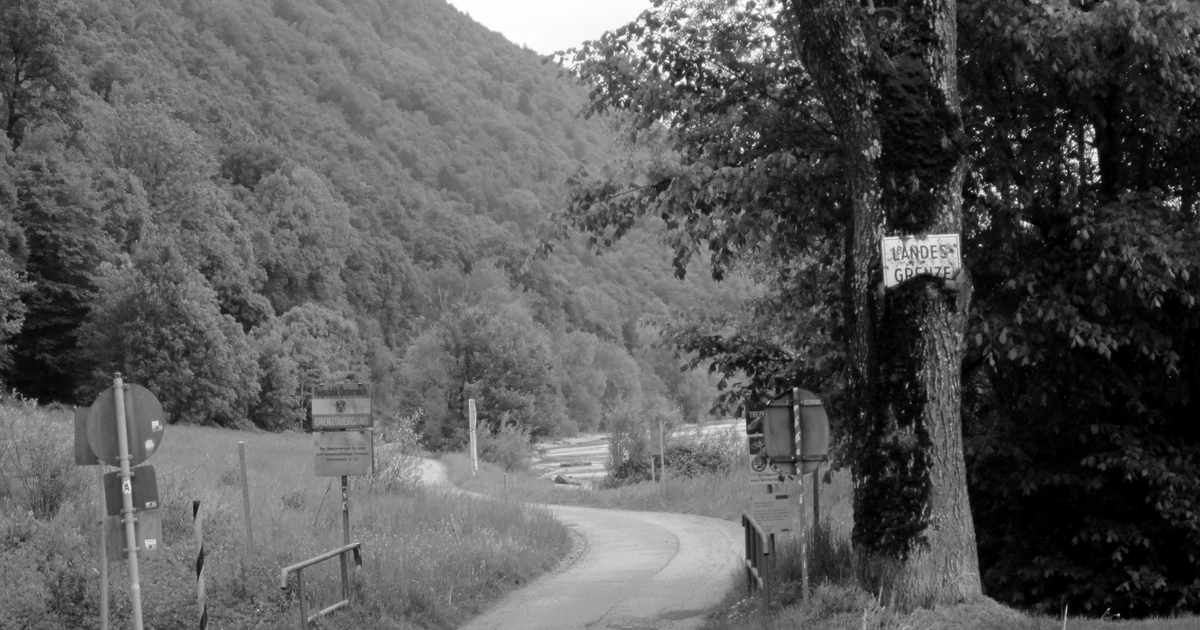
Germany and Austria will keep controls at their shared border in place for now. Interior ministers Alexander Dobrindt (CSU) and Gerhard Karner (ÖVP) confirmed the decision after talks in Berlin, saying the checks will stay until the effects of the European Union’s new asylum reform become clearer.
The border controls at a glance
- Since: Germany introduced border checks with Austria in 2015 and has since extended them to all its neighbouring countries.
- Decision: Germany and Austria will keep the checks for now, interior ministers Alexander Dobrindt and Gerhard Karner said on 15 July 2026.
- Reason given: Berlin wants to see the effects of the EU’s asylum reform, which took effect in June 2026, before considering changes.
- EU position: The European Commission recommended in June that internal EU border controls be phased out.
- Legal challenges: German courts have ruled some individual border checks unlawful.
Why the checks are staying
Dobrindt described the controls as functional, well coordinated between the two countries and doing an outstanding job. Karner said the checks were one of the measures that had helped reduce illegal migration into Austria and Germany. Both ministers stressed that Germany’s border checks now cover all of its neighbouring countries, not just Austria, a policy in place since 2015.
Dobrindt said all sides have an interest in internal border checks eventually becoming unnecessary, but that the right conditions are not yet in place. He linked the checks to two things: a functioning European asylum system and effective protection of the EU’s external border. He also pointed to a separate, ongoing challenge — the integration of migrants already living in Germany, which he said remains unfinished work.
Pressure from Brussels to end the checks
The European Commission recommended in June 2026 that EU countries dismantle internal border controls, pointing to the bloc’s new asylum reform, which took effect the same month. Under EU rules, checks at internal borders are only meant to be allowed in exceptional cases and for a limited time. German courts have already ruled some individual border checks unlawful.
Germany has pushed back against the Commission’s recommendation, arguing that the state and society still carry an elevated burden from the high number of people who arrived seeking refuge since 2015. The government says this justifies keeping the checks in place for now, despite the general EU rule that such controls should be temporary.
What it means for people living in Germany
If you regularly cross the German-Austrian border — for work, study or family visits — the practical situation does not change. Checks will continue, so it is worth building in extra time for delays and always carrying a valid passport or ID card, even on routes where checks feel routine or infrequent. The same applies at Germany’s other land borders, where similar controls have been in place since 2015.
- Carry a passport or national ID card whenever you cross into or out of Germany, including on short trips.
- Build extra time into your journey around border crossings, especially during busy travel periods.
- If you are asked to show documents, this is a routine part of the ongoing checks, not a sign of a new policy.
Understand Germany, in plain English. Sign up for The New German newsletter for the news that matters to internationals living here.
Leave a Reply