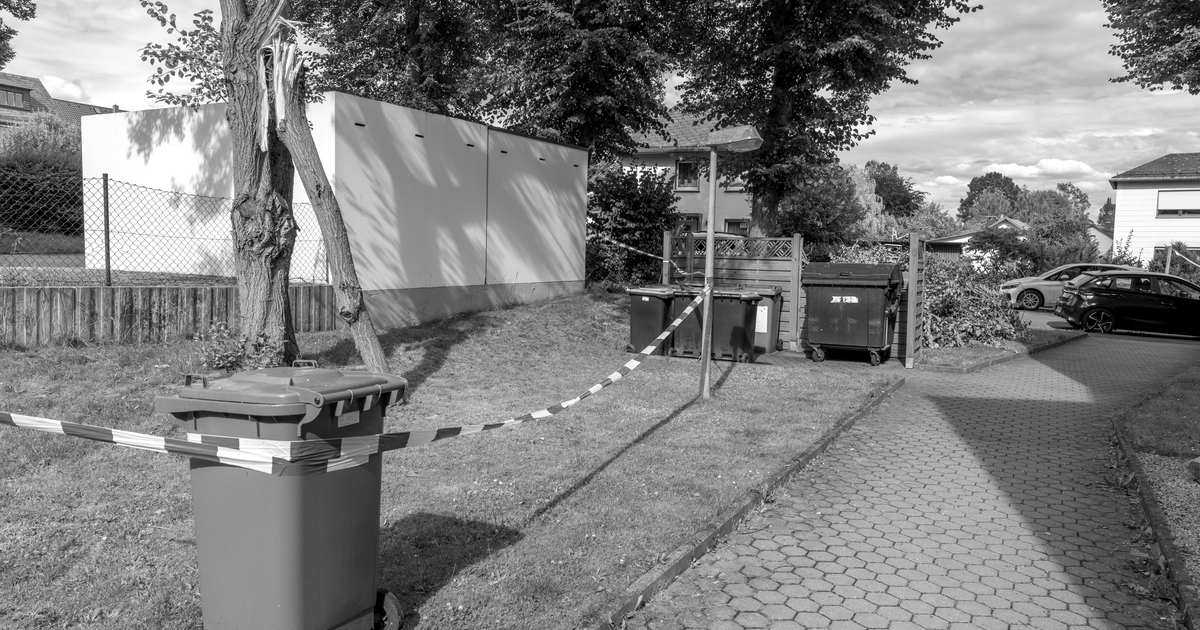
A severe storm front brought golf ball-sized hail, heavy rain and gusts to northern Germany on Monday, damaging cars, roofs and a printing plant, and briefly halting operations at an airport. Germany’s national weather service, the Deutscher Wetterdienst (DWD), is now warning of further severe storms across large parts of the country today and into the coming days.
The storms at a glance
- Worst hit: Western Mecklenburg-Vorpommern and parts of Lower Saxony saw the heaviest hail and storm damage on Monday.
- Response: Fire crews in the Hannover region alone were called out around 1,000 times.
- Airport disruption: Hannover-Langenhagen airport paused check-in for about an hour on Monday evening for safety reasons.
- Also affected: Heavy rain triggered around 115 fire brigade call-outs in the Gütersloh district of North Rhine-Westphalia.
- Outlook: DWD warns of renewed severe thunderstorms today, especially in Saxony, Saxony-Anhalt and Thuringia, with unsettled weather expected in the days ahead.
Hail and flooding hit the north hard
A thunderstorm system carrying heavy rain, hail and storm gusts moved across western Mecklenburg-Vorpommern and parts of Lower Saxony on Monday afternoon and into the night, triggering numerous fire brigade call-outs. In Tostedt, south of Hamburg, golf ball-sized hailstones smashed car windows and dented bodywork, and dozens of roofs were damaged, a fire service spokesperson said. Streets flooded and many cellars filled with water.
In the Hannover region alone, the fire brigade had to respond around 1,000 times. Hannover-Langenhagen airport suspended check-in for roughly an hour on Monday evening as a safety precaution, according to an airport spokesperson.
In Wittenburg, in Mecklenburg-Vorpommern, firefighters brought in wheel loaders to clear piles of hail from the streets. Storm damage at a local printing plant meant several regional newspapers could not be printed on time, or at all. Fallen trees were reported in many areas, including near Ludwigslust-Parchim.
Storm damage spreads to North Rhine-Westphalia
Heavy rain also caused widespread disruption in North Rhine-Westphalia, particularly in the Ostwestfalen-Lippe region. The district fire brigade in Gütersloh said crews had been called out around 115 times in and around the town of Verl since Monday evening. In Bielefeld, the city fire brigade reported a roof truss fire believed to have been caused by a lightning strike.
DWD: more storms on the way
The DWD is forecasting further strong thunderstorms today and into tonight across parts of Germany. Saxony, Saxony-Anhalt and Thuringia are expected to see the most severe conditions, but localised heavy rain is also possible in Lower Saxony during the day.
In western and southwestern Germany, the DWD is separately warning of “strong heat stress” in some areas. From central to southern Germany, forecasters expect potentially strong thunderstorms bringing heavy rain, storm gusts and hail, with isolated risk of extreme heavy rain, severe hail and damaging gusts.
According to the DWD, the thunderstorms are likely to clear only slowly, meaning severe local storms remain possible overnight. The agency expects the unsettled, turbulent weather pattern to continue in the days that follow.
What it means for people living in Germany
If you live in or are travelling through the warned regions, it is worth checking the DWD’s official warning map or the free NINA warning app before heading out, especially if you plan to drive or fly. Severe thunderstorm warnings (Unwetterwarnung) mean you should avoid parking under trees, secure loose items like patio furniture, and postpone travel where possible until the worst has passed.
- Check flight status directly with your airline if flying via an affected airport, as ground operations can be paused at short notice.
- If hail or storm damage affects your car or home, photograph the damage immediately and report it to your insurer (Hausratversicherung for household contents, Kfz-Versicherung for vehicles) as soon as possible.
- Renters should notify their landlord promptly if a storm causes damage to windows, roofs or balconies.
Understand Germany, in plain English. Sign up for The New German newsletter for the news that matters to internationals living here.
Leave a Reply