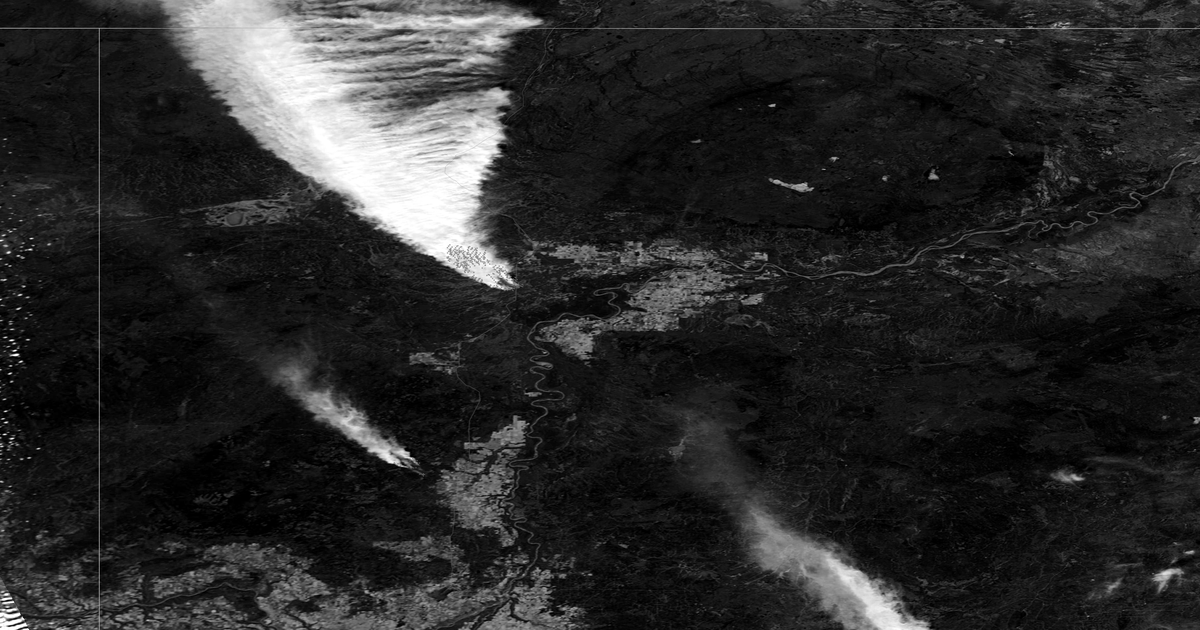
Forest fire danger is rising sharply across Germany this weekend. The German Weather Service (Deutscher Wetterdienst, DWD) says parts of the southwest will reach warning level five — the highest on its scale — as a heatwave grips the region. The risk is expected to spread further east and north into Sunday.
The wildfire risk at a glance
- Highest level (5): forecast for Saturday along the border area between Baden-Württemberg, Rhineland-Palatinate and France, where temperatures are currently highest.
- Level 4: covers nearly all of Baden-Württemberg, southern Rhineland-Palatinate, southern Hesse and northern Bavaria until Tuesday, plus pockets of western North Rhine-Westphalia and eastern Brandenburg.
- Level 3 (“medium risk”): applies to most of the rest of the country.
- Sunday: the high-risk zone widens to include southern Baden-Württemberg and the outskirts of Berlin, while a diagonal band from the northwest to the southeast sees lower risk.
Where the risk is highest
According to DWD maps, larger and larger areas turn red on the forest fire danger index as the weekend goes on. The southwest is affected first, with the north-east following later. On Saturday, the greatest danger is at the border between Baden-Württemberg and Rhineland-Palatinate and the French border, an area currently experiencing especially high temperatures. Level four, one step below the maximum, applies across almost all of Baden-Württemberg, southern Rhineland-Palatinate, southern Hesse and northern Bavaria through Tuesday, along with isolated areas in western North Rhine-Westphalia and eastern Brandenburg.
By Sunday, the danger zone expands further. In addition to the French border region, the DWD also classifies the southern part of Baden-Württemberg and the outer districts of Berlin as high-risk areas. A diagonal stretch of the country running from the northwest to the southeast shows comparatively lower risk on the same day.
Why fires are becoming more common
Germany’s rising wildfire risk comes as southern European countries, including Spain and France, battle serious forest fires of their own. A fire in southern Spain killed at least a dozen people, one of the deadliest in the country’s recorded history, after a severe heatwave swept across much of Europe.
Wildfires have killed hundreds of people across Europe over the past decade, and scientists expect that toll to grow. Europe is the fastest-warming continent on Earth: since the 1980s, temperatures there have risen at roughly twice the global average, according to the EU’s Copernicus climate programme. Globally, 2025 was the third-hottest year on record. Researchers warn that climate change is making regions more vulnerable to forest fires.
What it means for people living in Germany
If you live in or are travelling through the affected regions — particularly the southwest, Bavaria, or the edges of Berlin and Brandenburg — it is worth checking the DWD’s forest fire danger index (Waldbrandgefahrenindex) before heading into wooded or rural areas over the weekend.
- Avoid open flames, barbecues, and discarded cigarettes in or near forests and dry grassland — these are common causes of wildfires.
- Follow any local fire bans or restrictions announced by municipal authorities or forestry offices.
- If you spot smoke or fire, call the fire brigade on 112 immediately rather than assuming someone else has already reported it.
- Be cautious with vehicles and machinery in rural areas, as hot exhaust parts can ignite dry vegetation.
Data cited from the Deutscher Wetterdienst (German Weather Service) and the EU’s Copernicus climate programme.
Understand Germany, in plain English. Sign up for The New German newsletter for the news that matters to internationals living here.
Leave a Reply